-
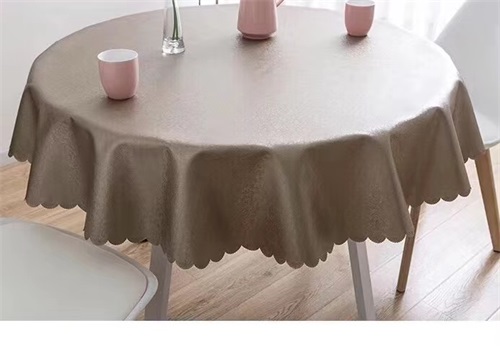
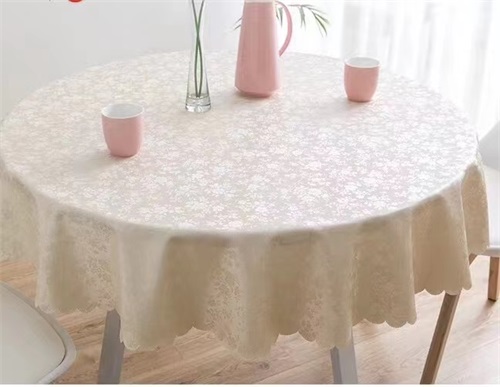
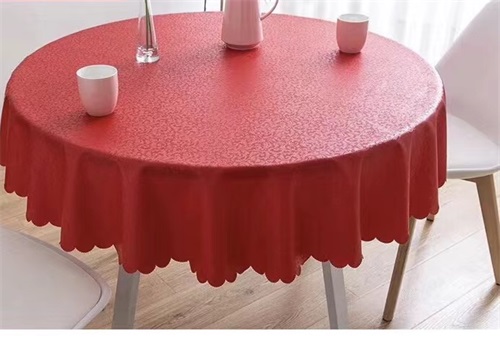
主打產品——臺布、椅子套、桌布、餐桌用品等一系列酒店專用
愛德信經典詮釋優雅,共贏未來
熱線電話:
0531-85821210

主打產品——臺布、椅子套、桌布、餐桌用品等一系列酒店專用
愛德信經典詮釋優雅,共贏未來
熱線電話:
0531-85821210
濟南民宿布草成本怎么算?會算賬才不虧,這些竅門記牢
時間:2026-03-06 來源:http://www.huiliduo.com.cn/
濟南民宿布草成本怎么算?會算賬才不虧,這些竅門記牢
How to calculate the cost of linen for Jinan homestays? Being able to calculate accounts is the key to not losing money. Remember these tips
濟南做民宿的朋友們,相信大家都有一個共同的體會:真正上手做民宿才發現,除了房租是固定大頭,各種開支真的太大了!很多民宿老板就是因為不會算賬,尤其是在布草這塊沒算明白,到最后看似生意不錯,實則做一套虧一套布草,得不償失。今天就實打實跟大家嘮嘮,濟南民宿布草及各類成本的核算方法,還有一個關鍵小竅門,幫大家算清賬目、減少虧損,看完再也不用稀里糊涂花錢。
Friends who are doing homestays in Jinan, I believe everyone has a common experience: it is only after truly getting started with homestays that they realize that besides rent being a fixed major expense, various expenses are really too high! Many homestay owners fail to keep track of their debts, especially when it comes to linens. In the end, they may appear to have good business, but in reality, they end up losing one set of linens at a time, which is not worth the loss. Today, I will have a practical talk with you about the accounting methods for Jinan homestay linens and various costs, as well as a key tip to help you clear accounts, reduce losses, and no longer spend money in a confused way after reading.
先說說最容易虧的布草成本,這也是民宿日常開支里,最需要仔細算賬的一項。很多民宿老板剛開始配布草,只知道買多少套,卻不知道怎么算損耗,等到頻繁更換布草時,才發現成本早已超標。其實布草成本核算很簡單,記住一個核心邏輯,再也不會虧在布草上。
First, let's talk about the most easily lost linen cost, which is also the most important item in the daily expenses of homestays that needs to be carefully accounted for. Many homestay owners only know how many sets to buy when they first prepare linens, but they don't know how to calculate the loss. By the time they frequently replace the linens, they realize that the cost has already exceeded the standard. In fact, cost accounting for linen is very simple. Remember a core logic and never lose money on linen again.
通常來說,我們民宿一張床,一定要配三套布草,這是行業里經過驗證的合理配置——一套正在客房使用,一套在洗滌周轉,一套備用應急,這樣既能保證客人入住時有干凈布草,也能避免布草周轉不開的尷尬。而且布草損耗,一定要按照兩年來計算,這是最貼合民宿實際運營情況的,畢竟布草屬于消耗品,長期洗滌、使用,兩年左右就會達到損耗上限,需要批量更換。
Generally speaking, in our homestay, one bed must be equipped with three sets of linens, which is a reasonable configuration that has been verified in the industry - one set for use in the guest room, one set for washing and turnover, and one set for emergency backup. This can ensure that guests have clean linens when they check in, and also avoid the embarrassment of linen turnover. Moreover, the loss of linens must be calculated based on two years, which is most suitable for the actual operation of the homestay. After all, linens are consumables, and long-term washing and use will reach the upper limit of loss in about two years, requiring bulk replacement.
具體的布草日均損耗怎么算?我給大家說個直白的公式,記好就能直接套用:布草的日均損耗 = 布草的單價 × 房間配置的套數 × 出租率的60% ÷(一年365天 × 2年)。可能有朋友會問,為啥出租率按60%算?咱說實話,濟南民宿大多沒有全年滿房,60%的出租率是比較合理的平均值,既不高估也不低估,這樣算出來的損耗成本,最貼合實際,不會出現偏差太大的情況。
How to calculate the specific daily average loss of linen? Let me give you a straightforward formula that you can apply directly once you remember it: the daily average loss of linen=the unit price of linen x the number of rooms configured x 60% of the occupancy rate ÷ (365 days a year x 2 years). Some friends may ask, why is the rental rate calculated at 60%? To be honest, most homestays in Jinan are not fully booked throughout the year, and a 60% occupancy rate is a reasonable average that neither overestimates nor underestimates the cost of losses. This calculation is most realistic and will not result in significant deviations.
舉個簡單的例子,比如你家民宿布草單價是80元一套,一個房間配3套,按這個公式算下來,日均布草損耗也就幾毛錢,但要是不算這筆賬,盲目配布草、不控制損耗,日積月累,這筆錢就會變得非常可觀,不知不覺就虧了。
For example, in your homestay, the unit price of linens is 80 yuan per set, with 3 sets per room. According to this formula, the daily loss of linens is only a few cents. However, if this account is not included, blindly adding linens and not controlling the loss will accumulate over time, and the money will become very considerable without realizing it.
除了布草成本,民宿還有很多隱形開支,大家也一定要算清楚,別忽略任何一個細節。首先是一次性用品,比如牙刷、牙膏,這是民宿的基本配置,必須做到一客一換,絕對不能偷懶重復使用,不然既不符合衛生要求,也會砸了民宿的口碑。
In addition to the cost of linens, homestays also have many hidden expenses, so everyone must calculate them clearly and not overlook any details. Firstly, disposable items such as toothbrushes and toothpaste are the basic configuration of homestays, which must be changed for each guest. They must not be lazy and reused, otherwise they will not meet hygiene requirements and will also damage the reputation of the homestay.
一次性用品的成本,也要根據客單價來定,客單價不同,配置的一次性用品檔次不一樣,成本也會有差異。通常來說,一個房間配置兩套一次性用品就足夠了,既能滿足客人需求,也能避免浪費,控制成本。濟南很多中高端民宿,會根據自己的房價,搭配質感好一點的一次性用品,雖然成本稍高,但能提升客人體驗,也值得。
The cost of disposable products should also be determined based on the unit price per customer. Different unit prices and grades of disposable products will result in differences in cost. Generally speaking, having two sets of disposable items in one room is sufficient to meet the needs of guests, avoid waste, and control costs. Many mid to high end homestays in Jinan will match their prices with high-quality disposable items. Although the cost is slightly higher, it can enhance the guest experience and is also worth it.
除此之外,還有幾項固定開支,大家一定要提前規劃好。一是裝修成本,民宿裝修是前期大投入,雖然不是日常開支,但也要分攤到每年的運營成本里,算清回本周期;二是房租成本,這是民宿最大的固定開支,選址時就要兼顧人流量和房租,避免房租過高,擠壓利潤空間;三是水電和人工成本,這兩項是日常消耗,水電要養成節約的習慣,比如客人退房后及時關燈、關水電,能省一筆是一筆。
In addition, there are several fixed expenses that everyone must plan ahead of time. One is the decoration cost. The decoration of homestays requires a large initial investment, although it is not a daily expense, it still needs to be allocated to the annual operating costs and calculated back to the current cycle; The second is the cost of rent, which is the biggest fixed expense of homestays. When choosing a location, it is important to consider both foot traffic and rent to avoid excessive rent and squeezing profit margins; The third is the cost of water and electricity, as well as labor. These two items are daily consumption, and it is important to develop a habit of saving on water and electricity, such as turning off lights and water and electricity in a timely manner after guests check out, which can save a lot of money.
最后,給濟南民宿老板們分享一個關鍵小竅門,記牢這個,能幫你合理控制人工成本,避免虧損——自己的人工成本,一定要占到房價的30%左右。很多老板要么忽略人工成本,要么人工成本占比過高,導致最后沒利潤,這個比例是經過行業驗證的合理范圍,既能保證自己的勞動所得,也能兼顧民宿的利潤空間,不會因為人工成本過高而虧損。
Finally, let me share a key tip with homestay owners in Jinan. Keeping this in mind can help you control labor costs reasonably and avoid losses - your own labor costs must account for about 30% of the house price. Many bosses either ignore labor costs or have a high proportion of labor costs, resulting in no profit in the end. This proportion is a reasonable range that has been verified by the industry, which can ensure their own labor income and also take into account the profit margin of homestays, without losing money due to high labor costs.
總結一句,濟南做民宿,會算賬才是長久之道,尤其是布草成本,一定要算清損耗、合理配置;一次性用品、裝修、房租、水電、人工等各項開支,也要逐一規劃、嚴格控制。布草按“一張床3套、兩年損耗”核算,人工成本控制在房價30%左右,做好這幾點,就能有效減少虧損,讓民宿運營更省心、更賺錢。
In summary, when it comes to running a homestay in Jinan, being able to keep track of expenses is the key to long-term success, especially when it comes to the cost of linens. It is important to calculate losses and allocate resources reasonably; Disposable items, decoration, rent, utilities, labor and other expenses should also be planned and strictly controlled one by one. Budao is calculated based on the principle of "3 sets per bed, 2 years of wear and tear", with labor costs controlled at around 30% of the house price. By doing these points well, losses can be effectively reduced, making homestay operations more worry free and profitable.
希望今天的分享,能幫到濟南各位民宿老板,再也不用稀里糊涂虧在布草和各項開支上,算清每一筆賬,合理控制成本,憑借優質的服務和性價比,讓民宿越做越好,穩穩盈利!記不住的朋友,點贊收藏,平時算賬的時候直接照著做,輕松避開成本陷阱。
I hope today's sharing can help all homestay owners in Jinan no longer to be confused and lose money on linens and various expenses. They need to calculate every account, control costs reasonably, and rely on high-quality services and cost-effectiveness to make homestays better and more profitable! For friends who can't remember, like and save them, and follow them directly when calculating accounts, easily avoiding cost traps.
資訊推薦Information
聯系我們Information


生產酒店布草為主,生產臺布、椅子套、桌布、床尾巾,餐具用品為輔
電話:0531-85821210
QQ郵箱:1669684763@qq.com
聯系人:王經理
電話:13006572145 13518618363
地址:濟南市天橋區鳳凰山路一號院內
截屏,微信識別二維碼
微信號:13006572145 13518618363
 您當前位置: