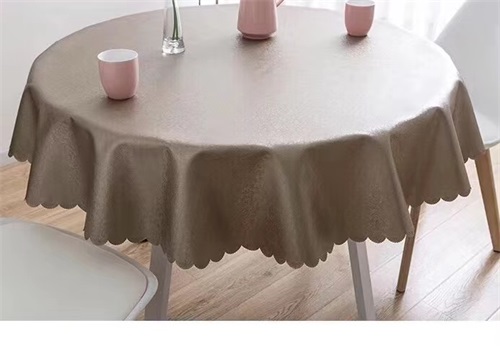
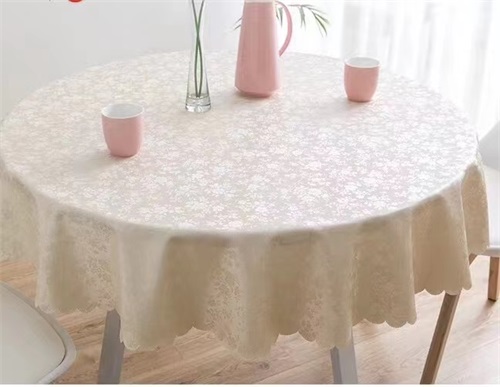
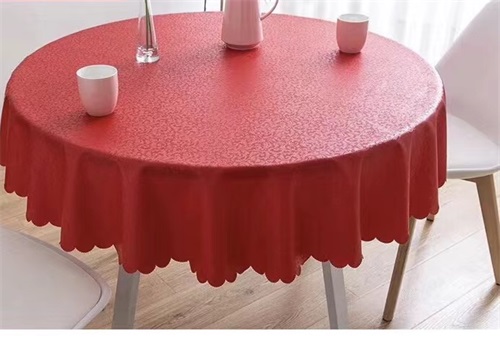
-
主打產品——臺布、椅子套、桌布、餐桌用品等一系列酒店專用
愛德信經典詮釋優雅,共贏未來
熱線電話:
0531-85821210

主打產品——臺布、椅子套、桌布、餐桌用品等一系列酒店專用
愛德信經典詮釋優雅,共贏未來
熱線電話:
0531-85821210
面料集體漲價潮下酒店布草行業的成本困局與破局路徑
時間:2026-03-12 來源:http://www.huiliduo.com.cn/
面料集體漲價潮下酒店布草行業的成本困局與破局路徑
The cost dilemma and breakthrough path of the hotel linen industry under the trend of collective price increase of fabrics
2026 年開春以來,紡織面料行業迎來新一輪集體漲價潮,蘇州市江區芬藝商會倡議遮光布企業自 3 月 1 日起漲價 0.5-1 元 / 米,華峰超纖更是宣布 3 月 9 日起對超纖基布按厚度分級漲價 1-4 元 / 米,漲價背后是原油價格累計漲幅超 30%、化工原料、聚合原料、能源成本等全產業鏈的成本飆升。作為紡織面料下游核心應用領域,酒店布草行業正面臨遮光布、超纖基布兩大核心原料的雙重漲價沖擊,疊加此前印染費上調的成本壓力,行業采購、生產、運營全鏈路承壓,新一輪成本考驗已全面到來。
Since the beginning of spring in 2026, the textile fabric industry has ushered in a new round of collective price increases. The Fenyi Chamber of Commerce in Jiangqu District, Suzhou City has proposed that shading fabric enterprises increase their prices by 0.5-1 yuan/meter from March 1st. Huafeng Microfiber has also announced a 1-4 yuan/meter price increase for microfiber base fabrics based on thickness from March 9th. The price increase is due to the cumulative increase of over 30% in crude oil prices, as well as the soaring costs of chemical raw materials, polymer raw materials, energy and other entire industry chains. As a core downstream application area of textile fabrics, the hotel linen industry is facing the dual impact of rising prices of two core raw materials, namely blackout fabric and microfiber base fabric. Coupled with the cost pressure of the previous increase in printing and dyeing fees, the entire chain of procurement, production, and operation in the industry is under pressure, and a new round of cost tests has arrived comprehensively.
一、面料漲價對酒店布草行業的多層級成本沖擊(一)核心布草原料采購成本直接攀升,品類影響全覆蓋遮光布與超纖基布是酒店布草體系中的重要原料,遮光布廣泛應用于酒店客房窗簾、隔斷簾等軟裝布草,超纖基布則是高端酒店浴袍、沙發套、軟裝裝飾布等產品的核心基材,二者漲價直接推高酒店布草的原料采購成本。華峰超纖按厚度分級的漲價模式,讓高端酒店厚款超纖布草的原料成本漲幅尤為明顯,厚度超 2.0mm 的超纖基布每米漲價 4 元,大幅增加高端布草的定制成本;而遮光布 0.5-1 元 / 米的普漲,讓中低端酒店的軟裝布草采購成本全面抬升,單家酒店窗簾布草的采購成本較此前平均增加 10%-15%。
1、 The price increase of fabrics has a multi-level cost impact on the hotel linen industry. (1) The procurement cost of core linen raw materials has directly increased, affecting the category. Full coverage blackout cloth and microfiber base cloth are important raw materials in the hotel linen system. blackout cloth is widely used in soft decoration fabrics such as hotel room curtains and partition curtains, while microfiber base cloth is the core substrate of high-end hotel bathrobes, sofa covers, soft decoration fabrics and other products. The price increase of both directly drives up the procurement cost of hotel linen raw materials. The price increase model of Huafeng microfiber graded by thickness has led to a particularly significant increase in the raw material cost of high-end hotel thick microfiber fabrics. The price of microfiber base fabric with a thickness exceeding 2.0mm has increased by 4 yuan per meter, significantly increasing the customization cost of high-end fabrics; The general increase in the price of 0.5-1 yuan/meter for blackout fabric has led to a comprehensive rise in the procurement cost of soft furnishing fabrics for mid to low end hotels. The procurement cost of curtain fabrics for a single hotel has increased by an average of 10% -15% compared to before.
(二)布草生產企業利潤再遭擠壓,中小廠家生存難上加難此次面料漲價疊加此前印染費、化纖原料的漲價,讓酒店布草生產企業的綜合生產成本持續走高,部分中小布草廠家陷入 “原料漲、加工漲、售價難漲” 的三重困境。一方面,遮光布、超纖基布作為直接原料,無替代品類且采購占比高,企業難以通過原料替換降低成本;另一方面,酒店端對布草價格敏感度高,尤其是連鎖酒店的集中采購定價體系相對固定,布草企業難以將成本壓力完全向下游轉嫁,只能被迫內部消化,部分中小廠家已出現 “生產即虧損” 的經營窘境,行業馬太效應進一步加劇。
(2) The profits of linen production enterprises have been squeezed again, making it even more difficult for small and medium-sized manufacturers to survive. This increase in fabric prices, combined with previous increases in printing and dyeing fees and chemical fiber raw materials, has caused the comprehensive production costs of hotel linen production enterprises to continue to rise. Some small and medium-sized linen manufacturers have fallen into a triple dilemma of "rising raw material prices, rising processing costs, and difficult to increase selling prices". On the one hand, as direct raw materials, there is no substitute category for blackout fabric and microfiber base fabric, and their procurement proportion is high, making it difficult for enterprises to reduce costs through raw material replacement; On the other hand, hotels are highly sensitive to linen prices, especially chain hotels with relatively fixed centralized procurement pricing systems. Linen companies find it difficult to fully transfer cost pressures downstream and are forced to digest them internally. Some small and medium-sized manufacturers have already encountered the business dilemma of "production leads to losses", further exacerbating the Matthew effect in the industry.
(三)酒店布草采購預算超支,運營成本承壓加劇對于酒店端而言,布草作為剛需易耗品,采購成本的持續上漲直接擠壓運營利潤。高端酒店因主打品質體驗,超纖浴袍、高端軟裝布草的采購占比高,超纖基布的分級漲價讓其布草采購預算大幅超支;中低端酒店、民宿的客房軟裝以遮光布為主,普漲模式讓其軟裝布草的更換與新增成本全面上升。同時,布草價格的持續波動讓酒店采購計劃被打亂,部分酒店為控制成本,不得不暫緩布草升級計劃,甚至降低布草采購品質,間接影響客人入住體驗。
(3) The budget for purchasing hotel linens has exceeded the budget, and the pressure on operating costs has intensified. For the hotel side, as a necessary and consumable item, the continuous increase in procurement costs of linens directly squeezes operating profits. High end hotels prioritize quality experience, with a high proportion of purchases for microfiber bathrobes and high-end soft furnishing linens. The graded price increase of microfiber base fabrics has resulted in significant budget overruns for linen purchases; The soft furnishings of mid to low end hotels and homestays are mainly made of blackout cloth, and the general price increase model has led to a comprehensive increase in the cost of replacing and adding soft furnishings. At the same time, the continuous fluctuation of linen prices has disrupted hotel procurement plans, and some hotels have had to postpone linen upgrade plans or even lower the quality of linen procurement in order to control costs, indirectly affecting guests' stay experience.
(四)布草供應鏈穩定性受挑戰,定制化交付周期拉長面料企業的集體漲價是應對成本壓力的無奈之舉,而部分面料企業為控制成本,調整了生產排期與供貨節奏,導致酒店布草的原料供應穩定性下降。尤其是高端酒店的定制化布草,對超纖基布的厚度、工藝有特殊要求,面料分級漲價后,部分定制化原料的供貨周期被拉長,布草生產企業的交付效率受影響,進而導致酒店布草的應急補貨、定制化需求難以快速響應,供應鏈上下游的協同效率大幅降低。
(4) The stability of the linen supply chain is challenged, and the collective price increase of fabric companies due to the extended customized delivery cycle is a helpless measure to cope with cost pressure. Some fabric companies have adjusted their production schedules and supply rhythms to control costs, resulting in a decrease in the stability of raw material supply for hotel linen. Especially for customized fabrics in high-end hotels, there are special requirements for the thickness and craftsmanship of the microfiber base fabric. After the fabric grading and price increase, the supply cycle of some customized raw materials has been extended, and the delivery efficiency of fabric production enterprises has been affected. This has led to difficulties in responding quickly to emergency replenishment and customized needs for hotel fabrics, resulting in a significant reduction in the collaborative efficiency of the upstream and downstream supply chain.
二、行業上下游的協同破局:從成本管控到價值升級面對面料漲價的行業性沖擊,酒店布草行業的生產企業與酒店端需雙向發力,通過供應鏈整合、產品結構優化、精細化管理等方式,化解成本壓力,同時借行業洗牌之機實現高質量發展,推動產業鏈從 “價格競爭” 向 “價值競爭” 轉型。
2、 Collaborative breakthrough of upstream and downstream industries: From cost control to value upgrading, in the face of the industry wide impact of fabric price increases, production enterprises in the hotel linen industry and the hotel side need to work together in both directions. Through supply chain integration, product structure optimization, and refined management, cost pressures can be resolved. At the same time, taking advantage of the industry reshuffle, high-quality development can be achieved, promoting the transformation of the industry chain from "price competition" to "value competition".
(一)布草生產企業:多維發力,化解成本壓力鎖定核心原料供應,建立長期戰略合作:針對遮光布、超纖基布等核心原料,與優質面料企業簽訂長期供貨協議,通過批量采購、長約鎖價的方式,鎖定原料價格,減少現貨采購帶來的價格波動風險;同時整合印染、面料、輔料等上下游資源,打造 “無斷點” 供應鏈體系,降低供應鏈各環節的溝通與采購成本。
(1) Cloth production enterprises: make multidimensional efforts to resolve cost pressures, lock in core raw material supply, establish long-term strategic cooperation: for core raw materials such as blackout cloth and microfiber base cloth, sign long-term supply agreements with high-quality fabric enterprises, lock in raw material prices through bulk procurement and long-term contract price locking, and reduce the price fluctuation risk caused by spot procurement; At the same time, integrate upstream and downstream resources such as printing and dyeing, fabrics, and accessories, create a "seamless" supply chain system, and reduce communication and procurement costs in various links of the supply chain.
優化產品結構,聚焦高附加值布草:減少低附加值、同質化的普通布草生產,集中資源開發高端功能性布草。例如,將超纖基布與防霉、抑菌、防水等功能結合,開發高端酒店專屬的功能性浴袍、軟裝布草;對遮光布進行工藝升級,開發遮光率高、耐洗、環保的新型窗簾布草,通過產品功能升級提升議價能力,用附加值覆蓋原料漲價成本。
Optimize product structure and focus on high value-added linens: reduce the production of low value-added and homogeneous ordinary linens, and concentrate resources on developing high-end functional linens. For example, combining microfiber base fabric with anti mold, antibacterial, waterproof and other functions to develop high-end hotel exclusive functional bathrobes and soft furnishing linens; Upgrade the process of shading cloth, develop a new type of curtain fabric with high shading rate, washability, and environmental protection, enhance bargaining power through product function upgrades, and cover the cost of raw material price increases with added value.
推進工藝創新,從生產端降本增效:通過技術改造與工藝優化,提升原料利用率,降低生產損耗。例如,優化超纖布草的裁剪工藝,減少基布浪費;采用數字化、智能化生產設備,提升生產效率,降低人工成本;同時推行精細化管理,對生產各環節進行成本管控,從內部消化一部分原料漲價壓力。
Promote process innovation, reduce costs and increase efficiency from the production end: Through technological transformation and process optimization, improve raw material utilization and reduce production losses. For example, optimizing the cutting process of microfiber linen to reduce waste of base fabric; Adopting digital and intelligent production equipment to improve production efficiency and reduce labor costs; At the same time, we will implement refined management, control costs in various production processes, and internally absorb some of the pressure of raw material price increases.
分級布局產品體系,適配不同酒店需求:針對高端、中端、經濟型酒店的不同需求,打造分級布草產品體系。對高端酒店,持續提升超纖布草的品質與功能;對中低端酒店,開發遮光布與普通面料的混紡產品,在保證使用體驗的前提下,降低原料成本,實現各層級酒店的精準適配。
Graded layout product system, adapted to different hotel needs: tailored to the different needs of high-end, mid-range, and economy hotels, create a graded linen product system. Continuously improving the quality and functionality of microfiber linens for high-end hotels; Develop blended products of blackout fabric and ordinary fabrics for mid to low end hotels, reducing raw material costs while ensuring user experience, and achieving precise adaptation for hotels at all levels.
(二)酒店端:科學調整采購與運營策略,控成本保品質優選供應鏈整合能力強的布草供應商:摒棄 “低價優先” 的采購模式,選擇擁有原料直采渠道、能整合面料與印染產業鏈的布草供應商,這類企業能更好地控制成本與品質,避免因原料漲價導致的供貨中斷或品質下降;同時優先選擇能提供 “一站式布草采購” 的供應商,覆蓋窗簾、浴袍、床單、被套等全品類,減少多供應商對接的管理成本。
(2) Hotel side: Scientifically adjust procurement and operation strategies, control costs and ensure quality, select linen suppliers with strong supply chain integration capabilities: abandon the "low price priority" procurement model, choose linen suppliers with direct raw material procurement channels and the ability to integrate fabrics and printing and dyeing industry chains. Such enterprises can better control costs and quality, avoid supply interruptions or quality decline caused by rising raw material prices; At the same time, priority should be given to suppliers who can provide "one-stop linen procurement", covering all categories such as curtains, bathrobes, bed sheets, duvet covers, etc., to reduce the management cost of multi supplier docking.
靈活調整采購方式,規避價格波動風險:對于常規剛需布草(如窗簾、基礎浴袍),采用 “批量采購 + 長約合作” 的方式,與供應商簽訂年度供貨協議,鎖定采購價格;對于定制化、高端布草,分批次小批量采購,根據市場價格波動調整采購節奏,同時預留一定的原料庫存,應對突發的價格上漲與補貨需求。
Flexibly adjust procurement methods to avoid price fluctuation risks: For conventional essential fabrics such as curtains and basic bathrobes, adopt a "bulk procurement+long-term contract cooperation" approach, sign annual supply agreements with suppliers, and lock in procurement prices; For customized and high-end linen, purchase in small batches and adjust the procurement rhythm according to market price fluctuations, while reserving a certain amount of raw material inventory to cope with sudden price increases and replenishment needs.
優化布草配置與運營管理,降低綜合使用成本:在不影響客人入住體驗的前提下,優化布草配置,例如將高端超纖浴袍作為高端客房專屬配置,中端客房采用性價比更高的混紡浴袍;加強布草的日常洗滌與維護,規范洗滌操作流程,延長布草使用壽命,降低布草更換頻率,從運營端減少布草采購需求。
Optimize linen configuration and operational management to reduce overall usage costs: Optimize linen configuration without affecting guest experience, such as using high-end microfiber bathrobes as exclusive configurations for high-end rooms, and using more cost-effective blended bathrobes for mid-range rooms; Strengthen the daily washing and maintenance of linen, standardize the washing operation process, extend the service life of linen, reduce the frequency of linen replacement, and reduce the demand for linen procurement from the operational end.
推動布草升級與酒店服務融合,提升價值感知:將布草品質升級與酒店服務體驗結合,例如將功能性超纖浴袍、環保遮光窗簾作為酒店的特色服務亮點,通過宣傳布草的品質、功能與環保屬性,提升客人的價值感知,讓布草成本的合理上漲與酒店品質升級形成正向聯動,而非單純的成本支出。
Promote the integration of linen upgrading and hotel services to enhance value perception: Combine linen quality upgrading with hotel service experience, such as using functional microfiber bathrobes and environmentally friendly blackout curtains as hotel's characteristic service highlights. By promoting the quality, function, and environmental attributes of linen, enhance guests' value perception, and create a positive linkage between the reasonable increase in linen costs and hotel quality upgrading, rather than simply cost expenditures.
(三)產業鏈協同:抱團取暖,維護行業健康生態此次面料漲價潮并非單一環節的成本上漲,而是紡織全產業鏈的成本傳導,酒店布草行業上下游需抱團取暖,形成成本共擔、利益共享的協同機制。布草生產企業、面料企業與酒店端可建立三方溝通機制,及時傳遞成本信息,合理調整價格體系,避免單一環節承擔全部成本壓力;同時行業協會可發揮引導作用,規范市場秩序,遏制惡意低價競爭,避免行業陷入 “越產越虧、越虧越產” 的惡性循環,推動產業鏈上下游共同維護健康、穩定的市場環境。
(3) Industry Chain Collaboration: Holding Together for Warmth and Maintaining a Healthy Industry Ecology. This wave of fabric price increases is not a single link of cost increase, but a cost transmission of the entire textile industry chain. The upstream and downstream of the hotel linen industry need to hold together for warmth and form a collaborative mechanism of cost sharing and benefit sharing. Cloth production enterprises, fabric enterprises, and hotels can establish a tripartite communication mechanism to timely transmit cost information, adjust the price system reasonably, and avoid a single link bearing all cost pressures; At the same time, industry associations can play a guiding role, regulate market order, curb malicious low price competition, avoid the industry from falling into a vicious cycle of "more production, more losses, more production", and promote the joint maintenance of a healthy and stable market environment in the upstream and downstream of the industrial chain.
三、行業趨勢:成本倒逼下,酒店布草行業向高質量轉型此次面料集體漲價潮,既是酒店布草行業面臨的短期成本考驗,更是行業擺脫 “低質低價” 競爭、邁向高質量發展的重要契機。在成本壓力的倒逼下,行業將迎來新一輪洗牌,落后產能被淘汰,資源向優質企業集中成為必然趨勢:缺乏供應鏈整合能力、產品同質化嚴重的中小布草廠家將逐步退出市場,而擁有原料直采渠道、產品創新能力、精細化管理能力的優質布草企業,將在行業洗牌中占據主導地位。
3、 Industry trend: Under the pressure of cost, the hotel linen industry is transforming towards high quality. The collective price increase trend of fabrics is not only a short-term cost test faced by the hotel linen industry, but also an important opportunity for the industry to get rid of "low-quality and low-priced" competition and move towards high-quality development. Under the pressure of cost, the industry will usher in a new round of reshuffle, with outdated production capacity being eliminated and resources concentrating on high-quality enterprises becoming an inevitable trend. Small and medium-sized linen manufacturers lacking supply chain integration capabilities and severe product homogenization will gradually withdraw from the market, while high-quality linen enterprises with direct raw material procurement channels, product innovation capabilities, and refined management capabilities will dominate the industry reshuffle.
同時,酒店端的采購理念也將發生根本性轉變,從 “低價優先” 轉向 “品質 + 性價比 + 服務” 優先,更加看重布草的品質、功能性、耐用性與供應商的供應鏈穩定性、服務能力。這將推動酒店布草行業整體從 “價格競爭” 向 “價值競爭” 轉型,企業將更加注重產品研發與工藝創新,聚焦功能性、環保型、差異化布草的開發,滿足酒店端對品質、體驗、環保的多元化需求。
At the same time, the procurement concept of the hotel side will undergo a fundamental change, shifting from "low price priority" to "quality+cost-effectiveness+service" priority, placing greater emphasis on the quality, functionality, durability of linen and the stability and service capabilities of suppliers' supply chains. This will drive the overall transformation of the hotel linen industry from "price competition" to "value competition". Enterprises will pay more attention to product research and development and process innovation, focusing on the development of functional, environmentally friendly, and differentiated linen to meet the diversified needs of hotels for quality, experience, and environmental protection.
從長期來看,原材料價格波動將成為紡織行業的常態,酒店布草行業唯有通過供應鏈整合、產品創新、精細化管理,提升核心競爭力,才能應對持續的成本挑戰。而產業鏈上下游的協同發展,將成為行業高質量發展的核心動力,通過抱團取暖、利益共享、成本共擔,推動酒店布草行業實現從 “規模擴張” 到 “品質升級” 的轉型,為酒店行業提供更優質、更貼合需求的布草產品與服務。
In the long run, fluctuations in raw material prices will become the norm in the textile industry. Only through supply chain integration, product innovation, and refined management can the hotel linen industry enhance its core competitiveness and cope with ongoing cost challenges. The coordinated development of the upstream and downstream of the industrial chain will become the core driving force for the high-quality development of the industry. Through solidarity, benefit sharing, and cost sharing, it will promote the transformation of the hotel linen industry from "scale expansion" to "quality upgrading", and provide higher quality and more suitable linen products and services for the hotel industry.
資訊推薦Information
聯系我們Information


生產酒店布草為主,生產臺布、椅子套、桌布、床尾巾,餐具用品為輔
電話:0531-85821210
QQ郵箱:1669684763@qq.com
聯系人:王經理
電話:13006572145 13518618363
地址:濟南市天橋區鳳凰山路一號院內
截屏,微信識別二維碼
微信號:13006572145 13518618363
 您當前位置: