-
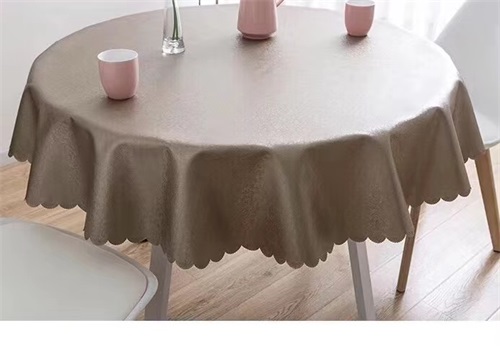
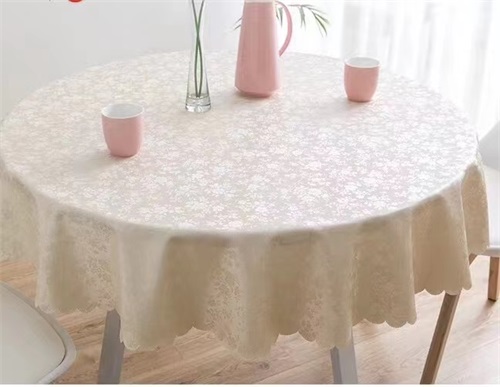
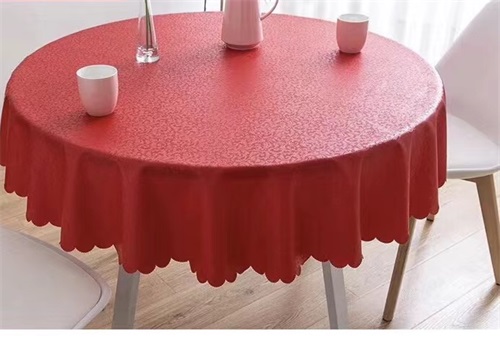
主打產品——臺布、椅子套、桌布、餐桌用品等一系列酒店專用
愛德信經典詮釋優雅,共贏未來
熱線電話:
0531-85821210

主打產品——臺布、椅子套、桌布、餐桌用品等一系列酒店專用
愛德信經典詮釋優雅,共贏未來
熱線電話:
0531-85821210
住宿場所的酒店布草衛生知識知多少?
時間:2025-10-29 來源:http://www.huiliduo.com.cn/
當我們住進賓館、旅店、招待所這些住宿場所,與我們最親密接觸的就是那些看似簡單卻至關重要的“布草”了。聽到“布草”,是不是覺得很困惑?住宿場所里怎么還有“布和草”?下面一起來學習“布草”的衛生知識吧 !
When we stay in hotels, inns, and guesthouses, the most intimate contact with us is the seemingly simple but crucial "linens". Do you feel confused when you hear 'linen'? Why are there still 'cloth and grass' in the accommodation? Let's learn about the hygiene knowledge of 'linen' together!
一、酒店布草是什么?“布草”屬于住宿行業的術語,主要包括:床上、衛浴用品等,比如床單、被套、枕套、面巾、浴巾等,也就是我們衛生監督員常說的公共用品用具。公共用品用具是指公共場所經營者提供給顧客重復使用的床單、枕套、被套、毛巾、浴巾、浴衣、杯具、潔具、拖鞋、美容美發工具、修腳工具以及其他重復使用且與皮膚、黏膜等接觸的物品。床單、被套、枕套等重復使用且與皮膚、黏膜等接觸的物品經過清洗、消毒等程序后,一般會先在清潔物品儲藏間進行保存,大部分住宿行業將這個房間稱之為“布草間”。“布草”是每位住店旅客日常接觸或使用最多的物品,其潔凈度直接關乎旅客的身體健康,所以布草也是我們衛生監督員日常監督的重點內容。
1、 What is hotel linen? 'Linen' is a term used in the accommodation industry, mainly including bedding, bathroom items, such as bed sheets, duvet covers, pillowcases, face towels, bath towels, etc., which are commonly referred to as public supplies by our hygiene supervisors. Public goods and appliances refer to bed sheets, pillowcases, duvet covers, towels, bath towels, yukata, cups, sanitary ware, slippers, beauty and hairdressing tools, foot repair tools, and other reusable items that come into contact with the skin, mucous membranes, etc. provided by public place operators to customers for reuse. After the items such as bed sheets, duvet covers, pillowcases, etc. that are reused and come into contact with the skin, mucous membranes, etc. are cleaned, disinfected, and other procedures, they are usually stored in a clean item storage room. Most accommodation industries refer to this room as the "linen room". Linen is the item that every hotel guest comes into contact with or uses the most on a daily basis, and its cleanliness directly affects the health of the guests. Therefore, linen is also a key focus of our health supervisors' daily supervision.
二、布草間可能會存在哪些問題
2、 What problems may exist between the linens
?1、布草間臟亂,臟布草與潔凈布草同間放置。
The linen room is dirty and messy, with dirty and clean linen placed in the same room.?
2、布草間布草混放,未分類。
2. The linen is mixed in between and not classified.
3、存放布草的保潔柜處于敞開狀態,未裝有柜門進行密封保存。
3. The cleaning cabinet for storing linens is in an open state and does not have a sealed door for storage.
?4、布草柜內存放保潔人員個人用品或礦泉水、泡面等,成了雜物柜。
4. The linen cabinet stores personal belongings of cleaning personnel, mineral water, instant noodles, etc., becoming a miscellaneous cabinet.
?5、酒店服務人員在布草間內暫時休息。
5. Hotel service personnel temporarily rest in the linen room.
三、如何判斷布草是否衛生?那么,作為消費者,我們如何判斷酒店的布草是否衛生呢?其實,可以從以下幾個方面入手:觀察布草外觀:干凈的布草應該平整、無污漬、無破損,顏色鮮艷。聞氣味:新鮮的布草應該無味道或帶有淡淡的清香,而非霉味或異味。檢查布草更換情況:一般來說,正規的酒店都會按照規定對布草進行更換,如果發現布草有明顯的使用痕跡或污漬,可以向酒店工作人員提出更換要求。
3、 How to determine if the linen is hygienic? So, as consumers, how do we judge whether the hotel's linens are hygienic? In fact, we can start from the following aspects: observing the appearance of linen: clean linen should be flat, free of stains, damages, and brightly colored. Smell: Fresh linen should be odorless or have a faint fragrance, rather than moldy or off flavors. Check the replacement of linen: Generally speaking, regular hotels will replace the linen according to regulations. If there are obvious signs of use or stains on the linen, you can request a replacement from the hotel staff. ??
四、相關法律規定《公共場所設計衛生規范 第1部分 總則》(GB37489.1-2019)
4、 Relevant legal provisions: "Hygiene Standards for the Design of Public Places Part 1 General Provisions" (GB37489.1-2019)
6.2.1 ?應根據需求分類別設置儲藏間(區)。
6.2.1 ? Storage rooms (areas) should be classified according to demand.
6.2.2 ?儲藏間(區)應分設清潔物品、污染物品專間(區)。
6.2.2 ? The storage room (area) should be divided into dedicated rooms (areas) for cleaning items and contaminated items.
6.2.3 ?應設置工作車停放及操作空間。《公共場所衛生管理規范》(GB37487-2019)
6.2.3 ? A space for parking and operating work vehicles should be established. Regulations on Health Management in Public Places (GB37487-2019)
4.2.1 ?公共用品用具應存放在儲藏間或場所內符合衛生要求的區域。
4.2.1 ? Public goods and appliances should be stored in storage rooms or areas that meet hygiene requirements.
4.2.2 ?物品應分類、分架存放,距墻壁、地面 10 ?cm 以上。
4.2.2 ? Items should be classified and stored on shelves, with a distance of 10 meters from walls and floors? More than cm.
4.2.3 ? 清洗消毒過的公共用品用具應分類存放于保潔設施內。
4.2.3 ? Public goods and utensils that have been cleaned and disinfected should be classified and stored in cleaning facilities.
4.2.4 ?公共用品用具存放、運輸應有效防止交叉污染和二次污染,已清洗消毒的用品用具存放容器和污染物品回收容器應分開專用,有標志標識。
4.2.4 ? The storage and transportation of public goods and appliances should effectively prevent cross contamination and secondary pollution. Containers for storing cleaned and disinfected goods and appliances, as well as containers for recycling contaminated items, should be separate and dedicated, with signs and markings.
4.9.2 ?清潔物品儲藏間(備用品庫房)要求:
4.9.2 ? Requirements for cleaning item storage room (spare parts warehouse):
a)公共場所應根據種類、規模合理設置清潔物品儲藏間,或在場所內清潔區域設置清潔物品儲藏區,數量和規模應能滿足經營需要。 ? ??
a) Public places should reasonably set up clean item storage rooms according to their types and sizes, or set up clean item storage areas in the clean areas of the place, with quantities and sizes that can meet business needs. ? ??
b)公共用品宜與一次性拖鞋、牙刷、牙膏、肥皂、衛生紙、洗發液、沐浴液等耗損品分區存放; ?
b) Public goods should be stored separately from disposable slippers, toothbrushes, toothpaste, soap, toilet paper, shampoo, shower gel, and other consumables; ?
c)不得放置污染物品、清掃工具、個人生活用品、雜物及其他無關物品; ?
c) Do not place contaminated items, cleaning tools, personal belongings, miscellaneous items, and other unrelated items; ?
?d)環境應保持整潔,通風良好,室內無霉斑和積塵,設置病媒生物防治設施并正常使用,無病媒生物孳生。《公共場所衛生管理條例實施細則》第十四條 ?
The environment should be kept clean, well ventilated, and free of mold and dust indoors. Vector control facilities should be installed and used normally, and there should be no breeding of vector organisms. Article 14 of the Implementation Rules of the Regulations on Public Place Health Management?
公共場所經營者提供給顧客使用的用品用具應當保證衛生安全,可以反復使用的用品用具應當一客一換,按照有關衛生標準和要求清洗、消毒、保潔。禁止重復使用一次性用品用具。第三十六條 ?公共場所經營者有下列情形之一的,由縣級以上地方人民政府衛生行政部門責令限期改正,給予警告,并可處以二千元以下罰款;逾期不改正,造成公共場所衛生質量不符合衛生標準和要求的,處以二千元以上二萬元以下罰款;情節嚴重的,可以依法責令停業整頓,直至吊銷衛生許可證:
The supplies and utensils provided by public place operators to customers should ensure hygiene and safety. Reusable supplies and utensils should be changed for each customer, cleaned, disinfected, and kept clean in accordance with relevant hygiene standards and requirements. Do not reuse disposable items and utensils. Article 36? If a public place operator falls under any of the following circumstances, the health administrative department of the local people's government at or above the county level shall order it to make corrections within a specified time limit, give a warning, and may impose a fine of up to 2000 yuan; Those who fail to make corrections within the prescribed time limit, resulting in the hygiene quality of public places not meeting hygiene standards and requirements, shall be fined not less than 2000 yuan but not more than 20000 yuan; If the circumstances are serious, the business may be ordered to suspend operations for rectification in accordance with the law, and the hygiene license may be revoked
(一)未按照規定對公共場所的空氣、微小氣候、水質、采光、照明、噪聲、顧客用品用具等進行衛生檢測的;
(1) Failure to conduct hygiene tests on the air, microclimate, water quality, lighting, illumination, noise, customer supplies and utensils in public places in accordance with regulations;
(二)未按照規定對顧客用品用具進行清洗、消毒、保潔,或者重復使用一次性用品用具的。
(2) Failure to clean, disinfect, and maintain customer supplies and utensils in accordance with regulations, or reusing disposable items and utensils.
本文由 酒店布草 友情奉獻.更多有關的知識請點擊 http://www.huiliduo.com.cn/ 真誠的態度.為您提供為全面的服務.更多有關的知識我們將會陸續向大家奉獻.敬請期待.
This article is a friendly contribution from the hotel linen For more related knowledge, please click http://www.huiliduo.com.cn/ Sincere attitude To provide you with comprehensive services We will gradually contribute more relevant knowledge to everyone Coming soon.
資訊推薦Information
聯系我們Information

生產酒店布草為主,生產臺布、椅子套、桌布、床尾巾,餐具用品為輔
電話:0531-85821210
QQ郵箱:1669684763@qq.com
聯系人:王經理
電話:13006572145 13518618363
地址:濟南市天橋區鳳凰山路一號院內
截屏,微信識別二維碼
微信號:13006572145 13518618363
 您當前位置: