-
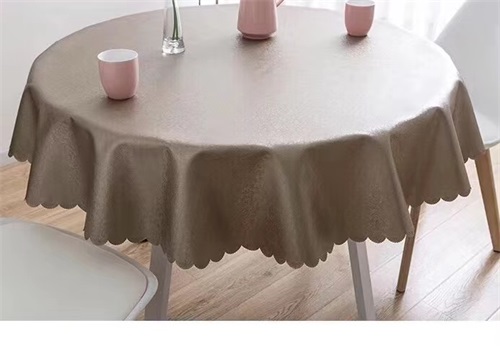
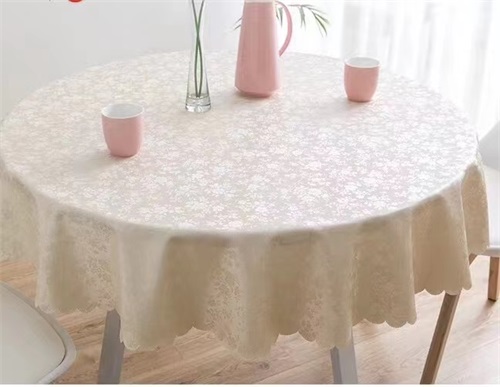
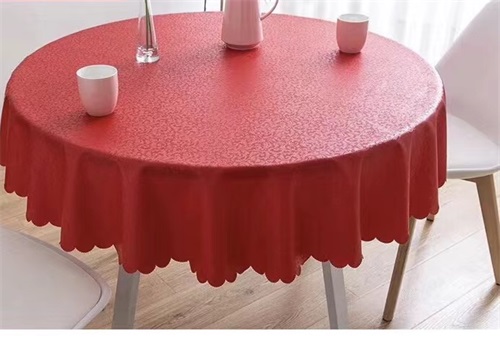
主打產(chǎn)品——臺(tái)布、椅子套、桌布、餐桌用品等一系列酒店專(zhuān)用
愛(ài)德信經(jīng)典詮釋優(yōu)雅,共贏未來(lái)
熱線電話:
0531-85821210

主打產(chǎn)品——臺(tái)布、椅子套、桌布、餐桌用品等一系列酒店專(zhuān)用
愛(ài)德信經(jīng)典詮釋優(yōu)雅,共贏未來(lái)
熱線電話:
0531-85821210
五種酒店布草的分類(lèi)標(biāo)準(zhǔn),一文分清
時(shí)間:2026-01-05 來(lái)源:http://www.huiliduo.com.cn/
在當(dāng)今世上所有人非常忙碌的時(shí)代,酒店選擇在網(wǎng)上搜索,了解和咨詢(xún)一些專(zhuān)業(yè)的布草生產(chǎn)廠家無(wú)疑是一個(gè)省時(shí)省力的方法,但是必要的話要實(shí)地考察,看看是否是真正的生產(chǎn)廠家。確認(rèn)訂貨時(shí),一定要簽好合同,合同里對(duì)面料等品質(zhì)的約定要嚴(yán)謹(jǐn),仔細(xì)。
In today's world, where everyone is extremely busy, choosing to search, understand, and consult with professional linen manufacturers online is undoubtedly a time-saving and effort-saving method. However, if necessary, it is important to conduct on-site inspections to verify whether they are genuine manufacturers. When confirming an order, it is essential to sign a contract that strictly and carefully stipulates the quality of fabrics and other aspects.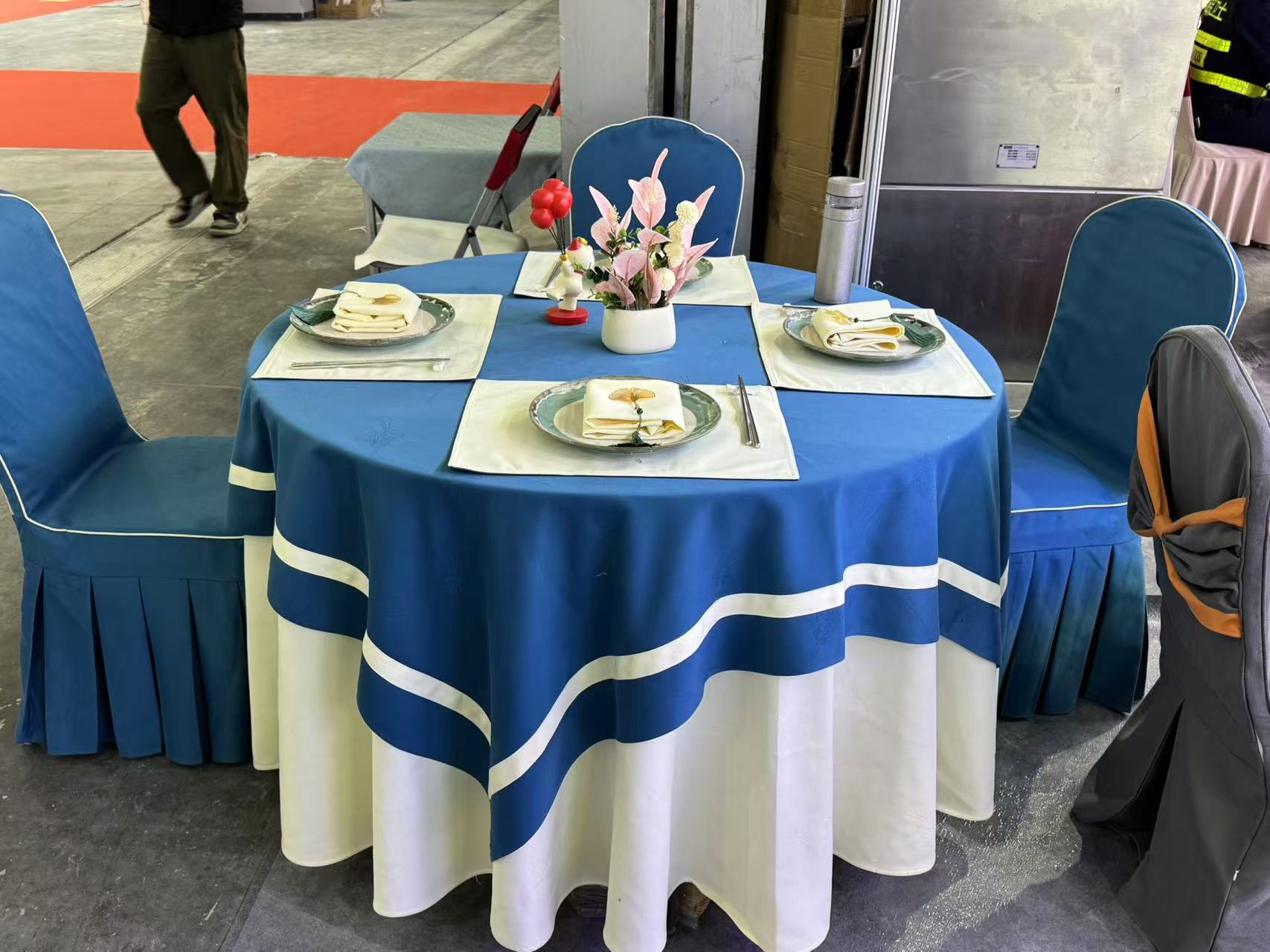
今天小編來(lái)跟大家分享如何區(qū)分各類(lèi)酒店布草質(zhì)地。
Today, our editor will share with you how to distinguish the textures of various hotel linen.
Part 1常用概念1
Part 1 Common Concepts 1
紗線密度紗線細(xì)度的表示方法一般分為定長(zhǎng)制和定重制兩大類(lèi)。
The methods for expressing yarn density, or yarn fineness, generally fall into two categories: the fixed length system and the fixed weight system.
a.定長(zhǎng)制以紗線在公定回潮率時(shí)的單位長(zhǎng)度的重量來(lái)表示.在定長(zhǎng)制中,有特克斯(Tex)制(公制)和旦尼爾(Denier)制(英制)兩種.這里只重點(diǎn)介紹常用的英制:旦尼爾(Denier) ,一般用于表示純化纖長(zhǎng)絲及天然長(zhǎng)絲的細(xì)度.旦尼爾(Denier)的定義是: 9000米長(zhǎng)的絲在公定回潮率(約8.5%)時(shí)重量的克(g)數(shù)為該絲的旦數(shù),常用“D”表示。
a. The fixed length system is expressed in terms of the weight per unit length of yarn at a predetermined moisture regain. In the fixed length system, there are two systems: the Tex system (metric) and the Denier system (imperial). Here, we will focus on the commonly used imperial system: Denier, which is generally used to indicate the fineness of pure chemical fiber filaments and natural filaments. The definition of Denier is: the number of grams (g) of a 9000-meter-long filament at a predetermined moisture regain (approximately 8.5%) is the Denier of the filament, commonly represented by "D".
b.定重制以紗線在公定回潮率時(shí)的單位重量的長(zhǎng)度來(lái)表示.在定重制中,有公制支數(shù)(公制)和英制支數(shù)(英制)兩種.這里只重點(diǎn)介紹常用的英制支數(shù),一般用于表示純棉紗線及滌棉紗線的細(xì)度。英制支數(shù)的定義是: 每磅重的紗線在公定回潮率(約9.89%)時(shí)有若干個(gè)840碼即為若干支,常用“S”表示.如純棉紗線在公定回潮率(約9.89%)時(shí)重1磅,其長(zhǎng)度為40×840碼即33600碼,則該棉紗為40支,常用“40S”表示.一般來(lái)講,紗線的支數(shù)越大,紗線越細(xì),紡紗難度越大,工序多,設(shè)備要求高,且對(duì)棉花質(zhì)量的要求越高,(要求棉花的絨頭長(zhǎng)),每噸紗的價(jià)格越大.(瑪莎安迪選用的是新疆優(yōu)質(zhì)長(zhǎng)絨棉),這就不難理解40支的面料和60支面料價(jià)格有差異了。
b. The fixed weight system is expressed in terms of the length of yarn per unit weight at a predetermined moisture regain. In the fixed weight system, there are two types: metric count (metric system) and imperial count (imperial system). Here, we will focus on the commonly used imperial count, which is generally used to indicate the fineness of pure cotton yarn and polyester-cotton yarn. The definition of imperial count is: the number of 840 yards per pound of yarn at a predetermined moisture regain (approximately 9.89%) is the number of counts, commonly represented by "S". For example, if pure cotton yarn weighs 1 pound at a predetermined moisture regain (approximately 9.89%), and its length is 40 × 840 yards, or 33600 yards, then the cotton yarn is 40 counts, commonly represented by "40S". Generally speaking, the higher the yarn count, the thinner the yarn, the greater the difficulty of spinning, the more processes, the higher the equipment requirements, and the higher the requirements for cotton quality (requiring longer cotton fibers). The price per ton of yarn is also higher. (Martha Andy uses high-quality long-staple cotton from Xinjiang), which makes it easy to understand the price difference between 40-count and 60-count fabrics.
2
two
密度密度——用于表示梭織物單位長(zhǎng)度內(nèi)紗線的根數(shù),一般為1英寸或10厘米內(nèi)紗線的根數(shù),我國(guó)國(guó)家標(biāo)準(zhǔn)規(guī)定使用10厘米內(nèi)紗線的根數(shù)表示密度,但紡織企業(yè)仍習(xí)慣沿用1英寸內(nèi)紗線的根數(shù)來(lái)表示密度。其中又分為經(jīng)密和緯密。a.經(jīng)密——面料長(zhǎng)度方向;該向紗線稱(chēng)做經(jīng)紗;其1英寸內(nèi)紗線的排列根數(shù)為經(jīng)密(經(jīng)紗密度);b.緯密——面料寬度方向;該向紗線稱(chēng)做緯紗,其1英寸內(nèi)紗線的排列根數(shù)為緯密(緯紗密度);如通常酒店布草中見(jiàn)到的“40X40/110X90”表示經(jīng)紗緯紗分別40支,經(jīng)緯密度為110、90。
Density - used to indicate the number of yarns per unit length of a woven fabric, typically the number of yarns per inch or per 10 centimeters. According to China's national standards, density is indicated by the number of yarns per 10 centimeters, but textile enterprises are still accustomed to using the number of yarns per inch to represent density. This is further divided into warp density and weft density. a. Warp density - in the length direction of the fabric; the yarns in this direction are called warp yarns; the number of yarns arranged per inch in this direction is the warp density (warp yarn density). b. Weft density - in the width direction of the fabric; the yarns in this direction are called weft yarns; the number of yarns arranged per inch in this direction is the weft density (weft yarn density). For example, the commonly seen "40X40/110X90" in hotel linen indicates that the warp and weft yarns are each of 40 count, with warp and weft densities of 110 and 90, respectively.
3
three
幅寬
Width (幅寬)
面料的有效寬度,一般習(xí)慣用英寸或厘米表示,常見(jiàn)的有36英寸、44英寸、56-60英寸等,分別稱(chēng)作窄幅、中幅與寬幅,高于60英寸的面料為寬幅,一般常叫做寬幅布,當(dāng)今我國(guó)特寬面料的幅寬可以達(dá)到360厘米。幅寬一般標(biāo)記在密度后面,如:3中所提到的面料如果加上幅寬則表示為:“40X40/110X90/72"”即幅寬為72英寸。(1英寸=2.54厘米)。
The effective width of fabric is generally expressed in inches or centimeters. Common widths include 36 inches, 44 inches, 56-60 inches, etc., which are referred to as narrow, medium, and wide widths, respectively. Fabrics wider than 60 inches are considered wide widths and are commonly called wide fabrics. Currently, the width of extra-wide fabrics in China can reach up to 360 centimeters. The width is generally marked after the density, for example, if the fabric mentioned in item 3 is added with the width, it would be expressed as "40X40/110X90/72", indicating a width of 72 inches. (1 inch = 2.54 centimeters).
4
four
克重
Grammage
面料的克重一般為平方米面料重量的克數(shù).在酒店用的VISA臺(tái)布中,克重是面料的一個(gè)重要的技術(shù)指標(biāo)。
The grammage of a fabric is generally expressed as grams per square meter. In the case of VISA tablecloths used in hotels, grammage is an important technical indicator of the fabric.
5
five
色織
Yarn-dyed
日本稱(chēng)做“先染織物”,是指先將紗線或長(zhǎng)絲經(jīng)過(guò)染色,然后使用色紗進(jìn)行織布的工藝方法,這種面料稱(chēng)為“色織布”,生產(chǎn)色織布的工廠一般稱(chēng)為染織廠.如酒店用的VISA格子臺(tái)布和某些做床尾巾的面料就是色織物。
"Pre-dyed fabric" in Japan refers to a craft method where yarn or filament is first dyed, and then used to weave fabric. This type of fabric is called "yarn-dyed fabric", and factories producing yarn-dyed fabric are generally referred to as dyeing and weaving factories. Examples of yarn-dyed fabric include VISA checkered tablecloths used in hotels and certain fabrics used for bed end scarves.
Part 2
Part 2
按不同的加工方法分類(lèi)(1)機(jī)織物:由相互垂直排列即橫向和縱向兩系統(tǒng)的紗線,在織機(jī)上根據(jù)一定的規(guī)律交織而成的織物。(酒店布草中的被套,床單,臺(tái)布面料大多是機(jī)織物)。
Classified by different processing methods, (1) woven fabric: a fabric made by interweaving yarn threads arranged perpendicularly to each other, namely in two systems of horizontal and vertical directions, according to a certain pattern on a loom. (Most of the fabric for quilt covers, bed sheets, and tablecloths in hotel linen is woven fabric.).
(2)針織物:由紗線編織成圈而形成的織物,分為緯編和經(jīng)編。(如我們最常見(jiàn)的汗衫就是針織物,酒店布草中很少用,少數(shù)外窗簾的面料是針織的)。
(2) Knitted fabric: A fabric formed by knitting yarn into loops, which is divided into weft-knitted and warp-knitted types. (For example, the most common undershirts are knitted fabrics, which are rarely used in hotel linen, and a few outer curtains are made of knitted fabrics).
(3)非織造布:將松散的纖維經(jīng)粘合或縫合而成。目前主要采用粘合和穿刺兩種方法。(如酒店布草中的某些洗衣袋,一次性拖鞋都是非織造布)。
(3) Nonwoven fabric: It is made by bonding or stitching loose fibers together. Currently, two main methods are used: bonding and needling. (Examples include certain laundry bags in hotel linen and disposable slippers, which are all made of nonwoven fabric).
Part 3按構(gòu)成織物的紗線原料分類(lèi)
Part 3 Classification by yarn raw materials constituting the fabric
(1)純紡織物:構(gòu)成織物的原料都采用同一種纖維,有棉織物、毛織物、絲織物、滌綸織物等。(酒店布草中的被套,床單,枕套等基本都是純棉織物,也叫全棉織物)。、(2)混紡織物:構(gòu)成織物的原料采用兩種或兩種以上不同種類(lèi)的纖維,經(jīng)混紡而成紗線所制成,有滌粘、滌腈、滌棉等混紡織物。(酒店布草中有些被套,床單,枕套就是滌棉等混紡織物)。(3)混并織物:構(gòu)成織物的原料采用由兩種纖維的單紗,經(jīng)并合而成股線所制成,有低彈滌綸長(zhǎng)絲和中長(zhǎng)混并,也有滌綸短纖和低彈滌綸長(zhǎng)絲混并而成股線等。(酒店中的少數(shù)窗簾和裝飾布就是此 類(lèi)織物)。(4)交織織物:構(gòu)成織物的兩個(gè)方向系統(tǒng)的原料分別采用不同纖維紗線.(如酒店布草中的多數(shù)床裙面料和床尾巾面料就是交織織物)。
(1) Pure textile: The raw materials constituting the fabric are all made of the same fiber, including cotton fabric, wool fabric, silk fabric, polyester fabric, etc. (In hotel linen, quilt covers, bed sheets, pillowcases, etc. are basically pure cotton fabric, also known as all-cotton fabric). (2) Blended textile: The raw materials constituting the fabric are made of two or more different types of fibers blended into yarn, including polyester-viscose, polyester-acrylic, polyester-cotton, etc. (Some quilt covers, bed sheets, and pillowcases in hotel linen are blended fabrics such as polyester-cotton). (3) Commingled textile: The raw materials constituting the fabric are made of single yarns of two fibers, which are then combined into a strand. There are low-elastic polyester filament and medium-length commingled fabrics, as well as strands made of polyester staple fiber and low-elastic polyester filament. (A small number of curtains and decorative fabrics in hotels are of this type). (4) Interwoven textile: The raw materials constituting the fabric in two directions use different fiber yarns, respectively. (For example, most bed skirt fabrics and bed end scarf fabrics in hotel linen are interwoven fabrics).
Part 4按構(gòu)成織物原料是否染色分類(lèi)
Part 4 Classification by whether the constituent fabric materials are dyed
(1)白坯織物:未經(jīng)漂染的原料經(jīng)過(guò)加工而成織物,絲織中又稱(chēng)生貨織物。(2)色織物:將漂染后的原料或花式線經(jīng)過(guò)加工而成織物,絲織是又稱(chēng)熟貨織物。
(1) White fabric: Fabric made from raw materials that have not been bleached or dyed, also known as raw silk fabric in silk weaving. (2) Dyed fabric: Fabric made from raw materials that have been bleached and dyed, or patterned threads that have been processed, also known as cooked silk fabric in silk weaving.
Part 5按組成機(jī)織物的組織結(jié)構(gòu)分類(lèi)
Part 5 Classification by the organizational structure of the constituent woven fabric
按組成機(jī)織物的組織結(jié)構(gòu)分為平紋、斜紋、緞紋與提花組織。也稱(chēng)平紋、斜紋、緞紋與提花織物( 面料),酒店中的被套,枕套,床單這三種面料都很常見(jiàn),用的最多(緞條面料,回字格面料,大提花面料都是一種或多種組織的結(jié)合體,具體解釋必須結(jié)合具體面料)。
Woven fabrics can be classified according to their organizational structures into plain weave, twill weave, satin weave, and jacquard weave. These are also known as plain, twill, satin, and jacquard fabrics (materials). In hotels, quilt covers, pillowcases, and bedsheets, all three types of fabrics, are commonly seen and used the most. Fabrics such as satin stripes, checkered patterns, and large jacquard designs are all combinations of one or more weave structures. Specific explanations must be provided in conjunction with the specific fabrics.
Part 6新穎織物分類(lèi)
Part 6: Classification of Novel Fabrics
(1)粘合布:由兩塊互相背靠背的布料經(jīng)粘合而成。(酒店布草一般不用)。
(1) Bonded fabric: It is made by bonding two pieces of fabric together, back to back. (Generally not used for hotel linen.).
(2)植絨加工布:在布料上布滿短而密的纖維絨毛,具有絲絨風(fēng)格,可作衣料和裝飾料。(某些酒店窗簾就是此類(lèi)織物)。
(2) Flocked fabric: The fabric is covered with short and dense fiber flock, giving it a velvet-like style, suitable for use as clothing material and decorative material. (Some hotel curtains are made of this type of fabric).
(3)泡沫塑料層壓織物:是將泡沫塑料粘附在作底布的機(jī)織物或針織物上,大多用作防寒衣料。(酒店一般不用)。
(3) Foam laminated fabric: It involves adhering foam to a woven or knitted fabric serving as the base fabric, and is mostly used as cold-proof clothing material. (It is generally not used in hotels.).
(4)涂層織物:在機(jī)織物或針織物的底布上涂以聚氯乙烯(PVC)、氯丁橡膠等而成,具有優(yōu)越的防水功能。(如酒店用浴簾)。
(4) Coated fabric: It is made by coating a woven or knitted base fabric with polyvinyl chloride (PVC), neoprene, or other materials, providing superior waterproofing capabilities. (Such as shower curtains used in hotels).
特別注意區(qū)別幾個(gè)容易混淆的概念:1、色織與印花染色:a.色織——對(duì)紗線進(jìn)行染色,然后使用有色紗線進(jìn)行織布,如很多酒店用的格子臺(tái)布,相應(yīng)的工廠叫做XXX染織廠、色織廠等;b.印花染色——織造后的面料進(jìn)行印花染色,如很多很多的印花布,圖案豐富多采。相應(yīng)的工廠叫做XXX印染廠、染整廠等。2、混紡與交織a.混紡——紡紗過(guò)程中將兩種或兩種以上的不同纖維混合在一起,然后用混紡紗線織布;b.交織——織布時(shí)經(jīng)緯使用不同品種的紗線或纖維長(zhǎng)絲(束)織成的面料。
Special attention should be paid to distinguishing between several easily confused concepts: 1. Yarn-dying and Print Dyeing: a. Yarn-dying - dyeing the yarn, and then using the colored yarn to weave the fabric, such as the checkered tablecloths used in many hotels. The corresponding factories are called XXX Dyeing and Weaving Factory, Yarn-dying Factory, etc.; b. Print Dyeing - dyeing the woven fabric after weaving, such as numerous printed fabrics with rich and colorful patterns. The corresponding factories are called XXX Printing and Dyeing Factory, Dyeing and Finishing Factory, etc. 2. Blending and Interweaving: a. Blending - mixing two or more different fibers together during the spinning process, and then using the blended yarn to weave the fabric; b. Interweaving - weaving the fabric using different types of yarn or fiber filaments (bundles) for the warp and weft.
本文由 酒店布草 友情奉獻(xiàn).更多有關(guān)的知識(shí)請(qǐng)點(diǎn)擊 http://www.huiliduo.com.cn/ 真誠(chéng)的態(tài)度.為您提供為全面的服務(wù).更多有關(guān)的知識(shí)我們將會(huì)陸續(xù)向大家奉獻(xiàn).敬請(qǐng)期待.
This article is kindly contributed by Hotel Linen. For more relevant knowledge, please visit http://www.huiliduo.com.cn/ with a sincere attitude. We will provide you with comprehensive services. More relevant knowledge will be continuously contributed to you. Please stay tuned
資訊推薦Information
聯(lián)系我們Information


生產(chǎn)酒店布草為主,生產(chǎn)臺(tái)布、椅子套、桌布、床尾巾,餐具用品為輔
電話:0531-85821210
QQ郵箱:1669684763@qq.com
聯(lián)系人:王經(jīng)理
電話:13006572145 13518618363
地址:濟(jì)南市天橋區(qū)鳳凰山路一號(hào)院內(nèi)
截屏,微信識(shí)別二維碼
微信號(hào):13006572145 13518618363
 您當(dāng)前位置: